
Spring’s the moment to catch exterior wear before it becomes interior damage. A short inspection now helps you prioritize repairs and avoid costly surprises when the snow melts.
Deck checklist
Start by looking for obvious signs of wear: soft boards, loose fasteners, and wobbly railings. Early action extends the life of the deck and prevents safety issues.
- Check boards for rot, loose fasteners, and rail stability. Replace damaged boards and tighten hardware.
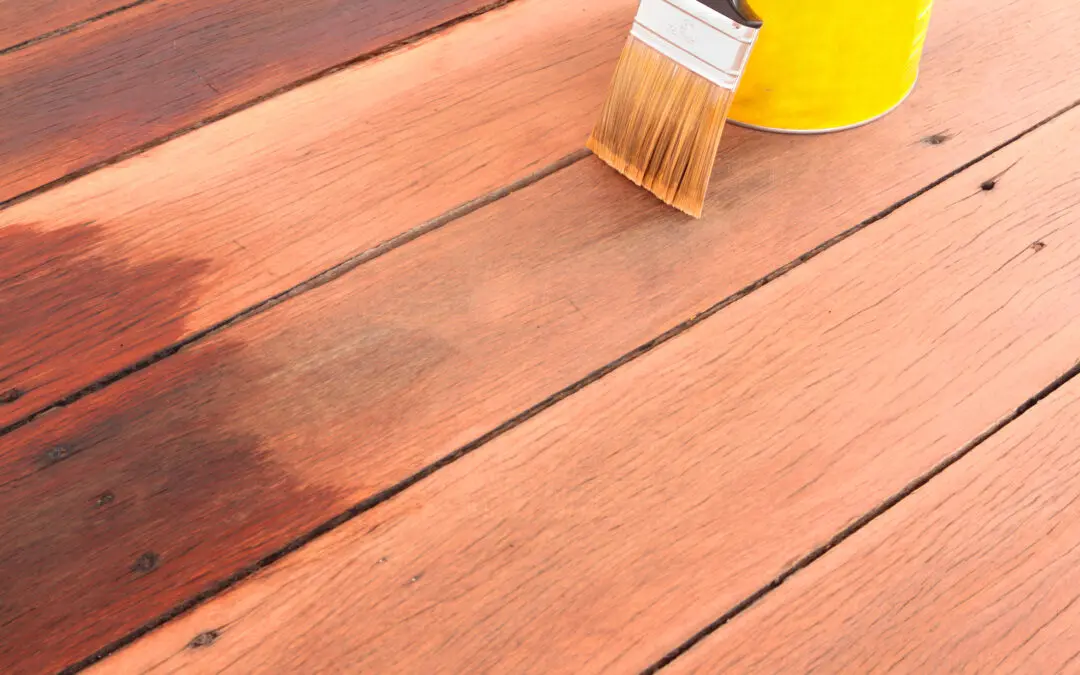
- Clean and re‑seal or stain as needed to protect wood from moisture.
Exterior paint
Paint is the first line of defense—address cracked or bubbled paint before moisture reaches the substrate.
- Look for cracking, bubbling, and exposed wood. Sand and prime problem areas before repainting to avoid rot.
- Address trim and fascia where moisture tends to collect.
Rubber roof (EPDM) basics
Rubber roofs are durable when seams and flashings are intact. Small seam repairs now prevent costly interior water damage later.
- Inspect seams, flashing, and drains for debris and gaps.
- If you have an attached deck over a rubber roof, ensure fastener penetrations are properly flashed and sealed.
We turn these checks into a simple punch list and estimate so you can prioritize fixes. See exterior projects at https://solutionsbysamar.com/projects/ and schedule a spring prep visit at https://solutionsbysamar.com/book-now/ or call 617-780-5293. Practical inspection tips Work from the ground when possible: a wide-angle photo of the entire elevation plus close-ups of suspect areas (seams, flashings, board ends) gives a quick sense of priority. For decking, look for soft spots that indicate rot by pressing gently with a screwdriver in a hidden area. For rubber roofing, look for seam separation or pooling water near drains. Here is a suggested resource for you to check out:
- Manufacturer guidance for rubber roof (EPDM) maintenance — consult your roofing product documentation or manufacturer website for specific recommendations.