
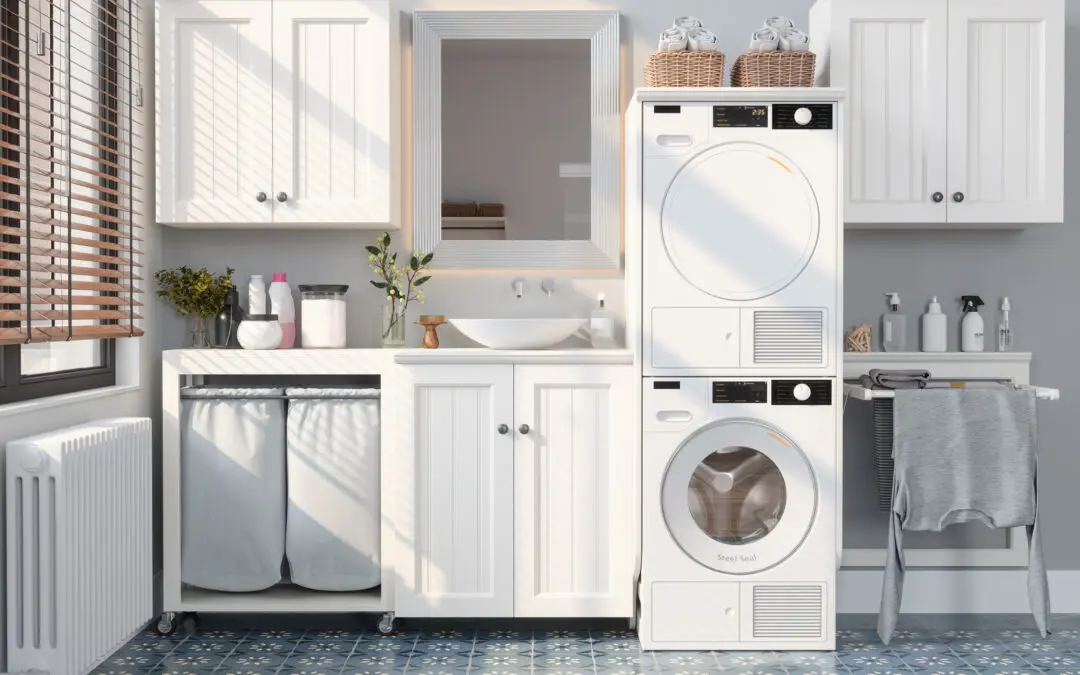
Laundry rooms and utility areas are the hardest-working, most-neglected spaces in homes. They’re functional but often dingy, disorganized, and uncomfortable—places where residents spend time but don’t want to linger. Strategic upgrades transform these utility spaces into safer, better-organized, more pleasant areas. The best part? These improvements are practical and affordable, paying dividends in daily convenience and home functionality.
Improve Task Lighting
Poor lighting makes laundry tasks difficult and utility areas feel dim and unwelcoming:
- Replace or add overhead lighting: If your utility area has a single dated fixture, upgrade to modern LED lighting. Bright, energy-efficient LEDs make the space feel larger and cleaner.
- Add task lighting over folding spaces: If you have a folding table or counter, add a fixture above it. Workers appreciate being able to see clearly.
- Install under-cabinet lighting: If you have shelves or cabinets, subtle under-shelf lighting improves visibility and creates a more finished look.
Add Storage and Organization Systems
Laundry supplies, cleaning products, and household items have nowhere to live—so they pile up:
- Wall-mounted shelving: Install shelves above washers, dryers, or along an empty wall to hold detergent, fabric softener, stain removers, and other supplies. This clears counters and keeps items accessible.
- Cabinetry for hazardous materials: Store cleaning chemicals, pesticides, and other hazardous items in a locked cabinet or closet. This is a safety must if children or pets are in the home.
- Bins and baskets: Organize your shelves with clear bins (so you can see contents) and labels. Coordinated containers look intentional and clean.
- Rod for hanging clothes: A tension rod or wall-mounted rod lets freshly laundered items air-dry or provides a place to hang separate loads. This adds functionality without renovation.
Improve Appliance Positioning and Protection
Washers and dryers are expensive and need protection from splashes, spills, and movement:
- Wall-protect and drip tray: Place a protective mat behind and beneath washers to catch splashes and catch drips from potential leaks. This protects your floors and walls.
- Ensure proper ventilation: Dryers need clearance for air circulation and safe venting. Check that venting ducts are properly connected and not kinked. Blocked or kinked vents reduce efficiency and pose fire risks.
- Secure hoses: Water supply hoses should be firmly connected and routed neatly. Stainless steel supply lines are safer and longer-lasting than rubber.
Install Utility Sink or Upgrade Existing One
A dedicated laundry or utility sink is invaluable for hand-washing delicates, soaking stained items, and cleaning tools:
- Add a utility sink if you don’t have one: A simple pedestal or wall-mounted utility sink takes little space and adds huge functionality. Cost is typically $200–500 including installation.
- Upgrade caulk and seals: If you have a utility sink, ensure caulk is intact and seals are fresh to prevent water from running behind walls.
- Verify drainage: Test that the drain flows quickly and completely. Slow drains indicate blockages or vent issues that should be addressed.
Seal and Protect Walls and Flooring
Utility areas see water, splashes, and humidity:
- Repair wall damage: Look for water stains, soft spots, or mold. Address these immediately—they indicate water intrusion that needs fixing.
- Paint walls: Fresh, light-colored paint (white, pale gray, pale blue) makes the space feel brighter and cleaner. Use semi-gloss or satin paint for better moisture resistance.
- Protect flooring: Epoxy paint or sealed concrete flooring resists stains and splashes better than raw concrete or older finishes. If you have tile, ensure grout is sealed.
Install Hooks and Hangers for Versatility
Utility areas are where weird, occasional items live—ladder, broom, utility bags, extension cords:
- Wall-mounted hooks: Install a row of sturdy hooks for hanging items off the floor, keeping the space organized and clear.
- Tool organizer or pegboard: A pegboard with hooks is perfect for hand tools, cleaning supplies, and small items. It’s inexpensive, customizable, and keeps things visible and accessible.
- Over-door organizer: If the door swings inward, an over-door rack can hold brooms, mops, and small supplies without eating floor space.
Add Electrical Outlets if Needed
Utility areas often have too few outlets, forcing extension cords:
- Assess current outlets: Do you have enough outlets for your washer, dryer, and any other appliances or chargers you use in the space?
- Add a circuit if needed: If outlets are maxed out or in inconvenient locations, having an electrician add a circuit and outlets is a worthwhile upgrade. Cost is typically $300–700 depending on complexity.
- Use weatherproof outlets: Even though it’s indoors, utility areas often have moisture. GFCI outlets (ground fault circuit interrupter) are safer and required in wet areas.
Consider Climate Control
Laundry rooms often have temperature and humidity swings:
- Ensure exhaust functionality: If your dryer vents to outside, the ductwork should be sealed and properly routed. Unsealed ducts leak conditioned air into attics or crawlspaces.
- Use a dehumidifier if needed: If humidity is high in your laundry room, a small dehumidifier reduces moisture and prevents mold.
- Maintain HVAC circulation: Ensure your utility area has adequate air circulation. A small circulation fan in summer helps.
Transform Your Utility Space
Laundry and utility areas spend most of their time ignored—until something fails or becomes unbearably cluttered. A thoughtful upgrade improves safety, organization, and daily functionality. Whether it’s lighting, shelving, wall protection or additional outlets, these improvements matter. We handle utility and laundry room upgrades—everything from shelving and organization systems to flooring protection and electrical work. Get a quote or call 617-780-5293 to discuss improvements for your space.