
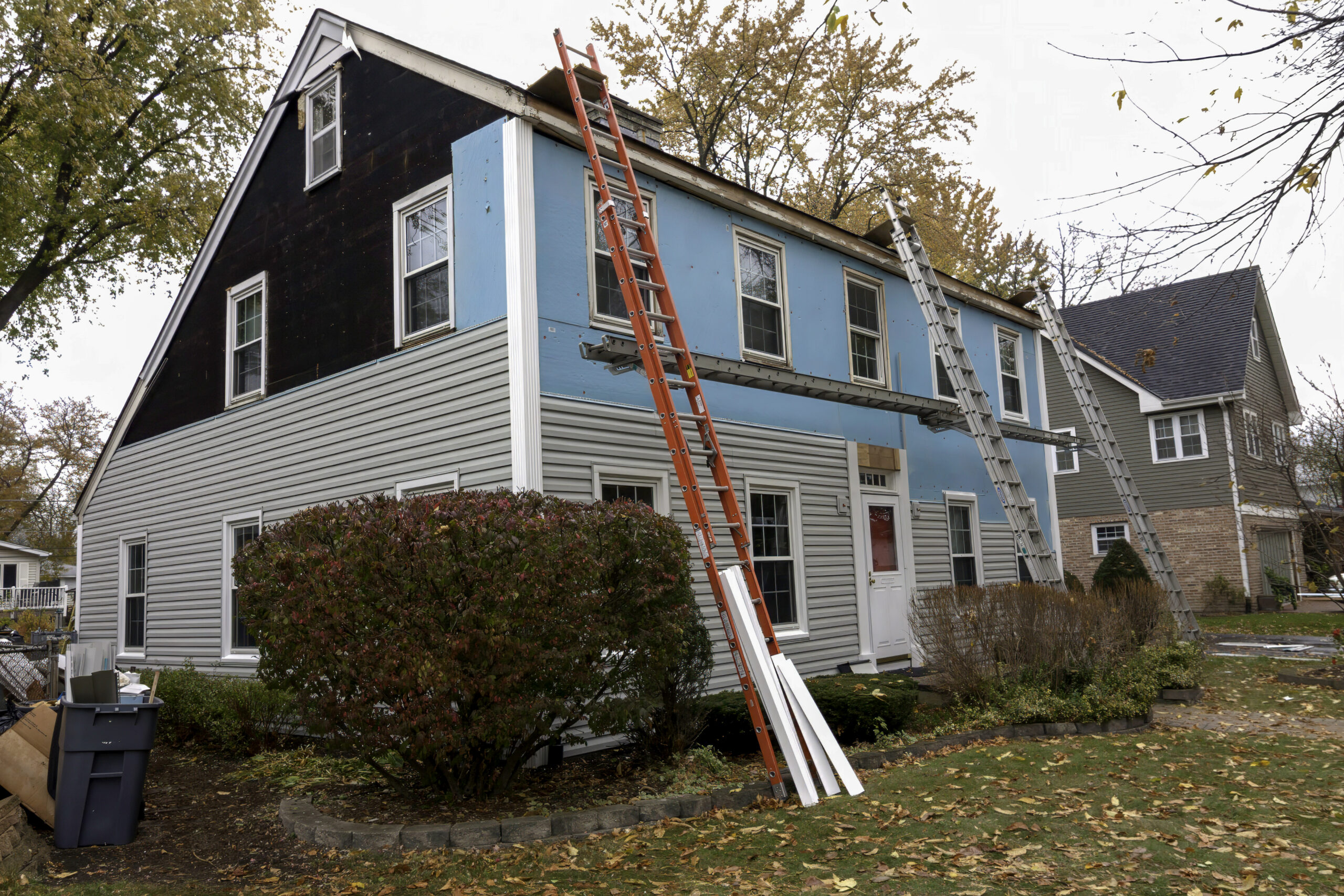
Fall-to-winter repair season moves fast. If your scope is unclear, one service call can turn into multiple visits, extra approvals, and missed details. A strong contractor brief keeps the work focused and helps you finish more in one appointment.
Define The Scope Room By Room
Walk the property once and write each issue by location. Keep descriptions short and specific so the crew can price and plan accurately.
- What is wrong
- Where it is
- What outcome you want
Attach photos with close-up and context views. Good photos reduce confusion before arrival.
Prioritize For Seasonal Risk
In late fall, safety and water-related tasks should lead the list. Cosmetic work matters, but sequence it after high-impact items that can worsen in freezing weather.
- Safety and moisture control
- Function and access issues
- Cosmetic and finish improvements
Confirm Materials And Access Before The Visit
Most delays happen when materials are missing or access is unclear. Decide in advance who is supplying parts, where they will be staged, and how entry will work if tenants or family schedules are involved.
- List owner-supplied items by product and quantity.
- Confirm substitute options if a product is unavailable.
- Provide lockbox, contact, and parking notes.
Set A Practical Closeout Process
At the end of the visit, review each task against the original list. Capture after photos and move unfinished items to a tracked follow-up list, not memory. This keeps your records clean and prevents repeat troubleshooting later.
Why This Works In Winter Prep Season
When demand spikes, clear scopes are what protect timelines. A prepared brief gives your contractor the information needed to execute quickly and helps you avoid expensive return visits.
If you want support organizing your repair scope, visit our services, then book a quote. You can also review completed examples in our projects.