
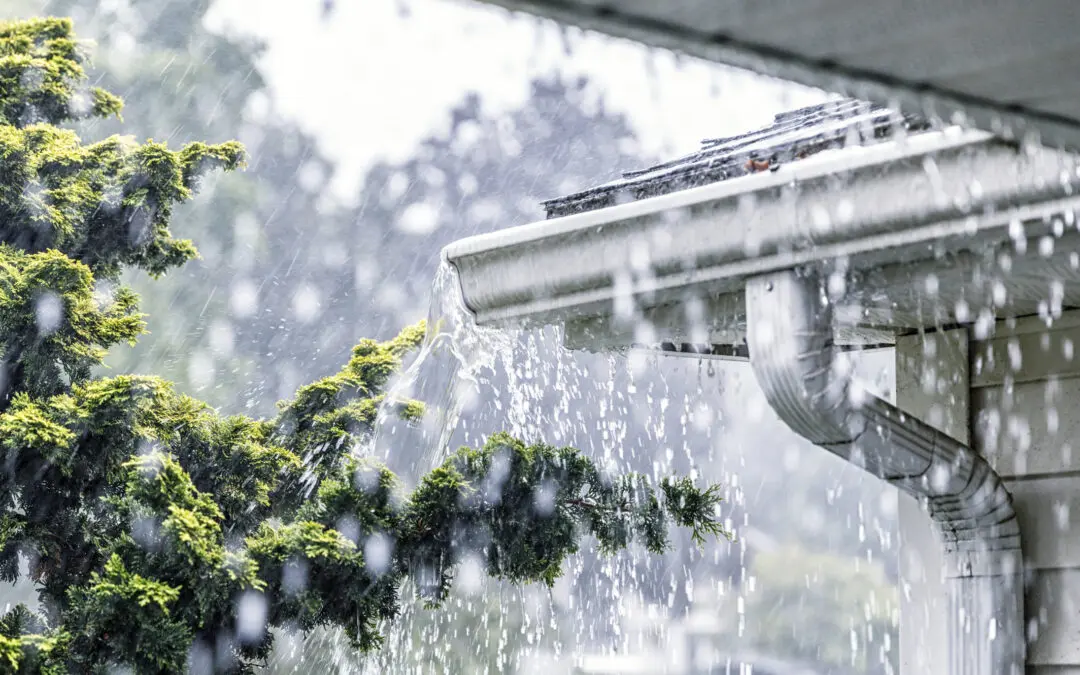
As nights cool down in Greater Boston, basement moisture issues can become harder to manage if they are left in place. Fall is the right time to fix drainage and humidity weak points before the first freeze limits your options.
Start Outside: Water Direction Comes First
Before looking at interior symptoms, check where rainwater goes once it leaves the roof. Overflowing gutters, short downspouts, or grading that sends water toward the foundation can keep the basement damp no matter what you do inside.
- Clear gutters and confirm downspouts are connected and discharging away from the house.
- Look for low grading spots near the foundation after rain.
- Check that splash blocks and extensions are still in place.
Address Interior Moisture Signals Early
Inside the basement, look for recurring damp corners, musty smell, or condensation on cooler surfaces. These are practical warning signs that airflow, humidity control, or water entry needs attention.
- Track where moisture appears and when it happens.
- Keep stored materials off concrete floors and away from exterior walls.
- Use a dehumidifier setup that can run consistently during shoulder-season weather swings.
Protect Mechanical Areas Before Heating Season
If your basement contains utilities, moisture management becomes even more important before winter operation ramps up. Keep service clearances open and make sure small leaks around utility connections are not ignored.
Create A Simple Fall-To-Winter Moisture Plan
A short plan prevents repeat emergency calls:
- Complete exterior drainage corrections first.
- Stabilize humidity and airflow in the basement.
- Monitor known weak points after heavy rain and early freeze cycles.
This sequence helps you move from reaction to prevention.
If you want a focused walkthrough and repair plan, review our services and request an inspection quote. You can also browse related work in our projects.