
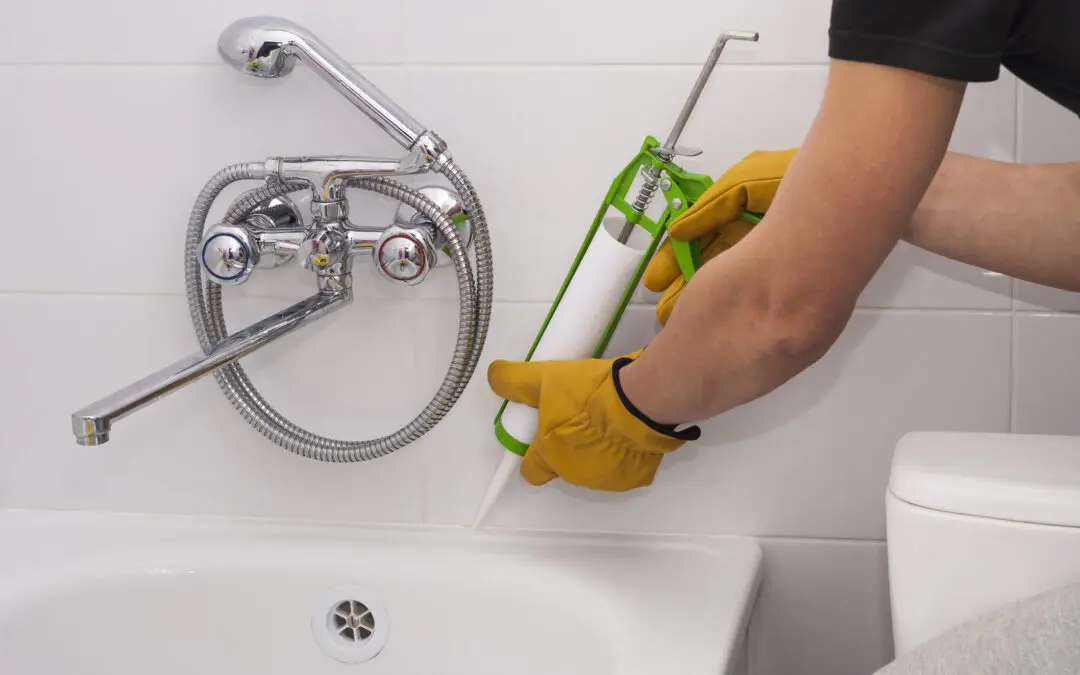
Summer humidity brings moisture to every corner of your home—but kitchens and bathrooms bear the brunt. Showers, dishwashers, and cooking generate steam that needs to escape. If moisture isn’t managed properly, it lingers, causing caulk deterioration, mold growth, soft spots in wood, and cabinet damage. A proactive caulk and seal inspection before summer prevents expensive repairs later.
Water damage is often hidden behind walls and under finishes. By the time you notice staining or soft spots, significant damage has already occurred. The good news? Preventive sealing and caulk replacement is straightforward and affordable.
Inspect Kitchen Caulk and Seals
Kitchens have multiple moisture sources. Check these areas:
- Sink and faucet surround: Look at the caulk line where the sink meets the counter and where the faucet base meets the sink. Gaps, cracks, or missing caulk let water run under the counter and behind cabinetry. This is the most common water intrusion point in kitchens.
- Backsplash gaps: Inspect where tile meets the counter and where grout meets tile. Gaps allow water and grease to seep behind the tile wall where it can cause mold and wood rot.
- Cabinet base and island edges: Water splashing on lower cabinet faces can seep into seams. Check for water staining or soft spots at cabinet bases and around islands.
- Around in-counter appliances: Dishwashers, cooktops, and trash compactors have gaps around their frames. Water can seep around these edges into cabinetry. Caulking gaps here prevents damage.
Inspect Bathroom Caulk and Seals
Bathrooms are water rooms. Regular inspection is critical:
- Shower surround caulk: The most important inspection point. Look at caulk lines where tile meets the corner, where the shower base meets the wall, and at the tub edge if you have a tub/shower combo. Gaps here are the primary cause of water intrusion into walls and subfloors.
- Tub and tile grout: Grout in showers and around tubs should be intact and not crumbling. Deteriorated grout allows water behind the tile. Re-grouting is sometimes necessary alongside re-caulking.
- Sink and vanity caulk: Similar to kitchens, gaps around bathroom sinks and faucets allow water to travel behind cabinetry.
- Toilet base caulk: The seal around toilet bases can crack or come loose. Water can seep down into the subfloor, causing rot that’s expensive to repair. Inspect and re-caulk annually if needed.
- Water line or moisture stains: Look for discoloration or soft spots around the bathroom floor or wall base. These indicate past or current water intrusion.
Assess Existing Caulk Condition
Not all deteriorated caulk is obvious. Look for these warning signs:
- Cracks or separations: Gaps forming between the caulk and the surface below. These are pathways for water intrusion.
- Missing chunks: Sections of caulk that have come free or been pulled away.
- Discoloration or mold: Black spots, pink discoloration, or visible mold growth indicate the caulk is compromised and moisture is present.
- Hardness or brittleness: Old caulk becomes brittle and inflexible. Gently press on caulk; it should compress slightly and return. If it cracks or breaks, it needs replacement.
- Pulling away from edges: Caulk shrinks over time, especially in high-moisture areas. If you can see daylight between caulk and the surface, it needs re-application.
Check for Water Damage Behind Walls
Sometimes caulk damage has already allowed water intrusion:
- Soft spots in drywall or subfloor: Press gently on wall or floor areas near water sources. Soft areas indicate water has been present and material is compromised.
- Discoloration or staining: Water stains (often brown or gray) indicate past or present water intrusion. Stains on ceilings or walls below bathrooms are especially concerning and warrant investigation.
- Musty odors: Smell under sinks and around base cabinets. Musty smells indicate mold or moisture accumulation. This requires investigation and remediation.
- Cabinet swelling or warping: Wood cabinets exposed to water swell and warp. If cabinet faces or edges are warped or soft, water damage is present.
If you find evidence of water damage beyond simple caulk failure, professional assessment is needed. Mold, rot, or structural damage requires remediation before re-caulking.
Plan Your Caulk and Seal Strategy
Before summer humidity peaks, decide:
- DIY vs. professional: Simple re-caulking can be a DIY project if you’re careful and take time. Remove old caulk completely, clean the surface, and apply new, quality caulk. If you have many areas needing work or gaps are severe, professional application ensures quality.
- Material selection: Use silicone or silicone-based caulk for kitchen and bathroom applications. Caulk packed with fungicide resists mold growth. Brands labeled “mold resistance” or “antimicrobial” are worth the extra cost.
- Color matching: Match caulk color to grout or tile edges for a finished look. Clear or white caulk works in most situations.
Improve Ventilation to Reduce Moisture
Good ventilation complements good sealing:
- Bathroom exhaust fans: Run exhaust fans during and for 15–20 minutes after showers. This removes moisture from the air before it condenses on surfaces.
- Kitchen ventilation: Use range hoods while cooking. Dishwashers release lots of steam—run exhaust fans during and shortly after.
- Open windows: On dry, mild days, opening windows to air out kitchens and bathrooms reduces humidity naturally.
- Dehumidifier: In very humid climates or homes prone to moisture, an inexpensive dehumidifier in the bathroom helps manage humidity.
Create a Maintenance Schedule
Caulk doesn’t last forever. Establish a routine:
- Annual inspection: Each spring or summer, walk through kitchens and bathrooms and assess caulk condition. Budget for re-caulk if needed.
- Prompt repairs: If you notice cracks or gaps mid-year, address them quickly. Small gaps become large problems fast in high-moisture environments.
- Document caulk application: Keep a record of when you re-caulked different areas. Most quality bathroom caulk lasts 5–10 years; kitchen caulk may have a shorter lifespan due to temperature fluctuations.
Professional Inspection and Re-Caulking
If you have multiple problem areas, significant water damage concerns, or simply want professional-quality results, we provide comprehensive caulk and seal inspection and replacement services. We identify moisture risks, remove old caulk completely, prepare surfaces properly, and apply quality caulk that resists mold and lasts.
Request a quote for a kitchen and bath seal inspection or call 617-780-5293. Summer maintenance now prevents expensive water damage later.